STYLE & PROPORTIONS
Beyond diameter: choosing a watch for your wrist
Two watches of the same diameter can feel different. The case, lugs and strap matter too.
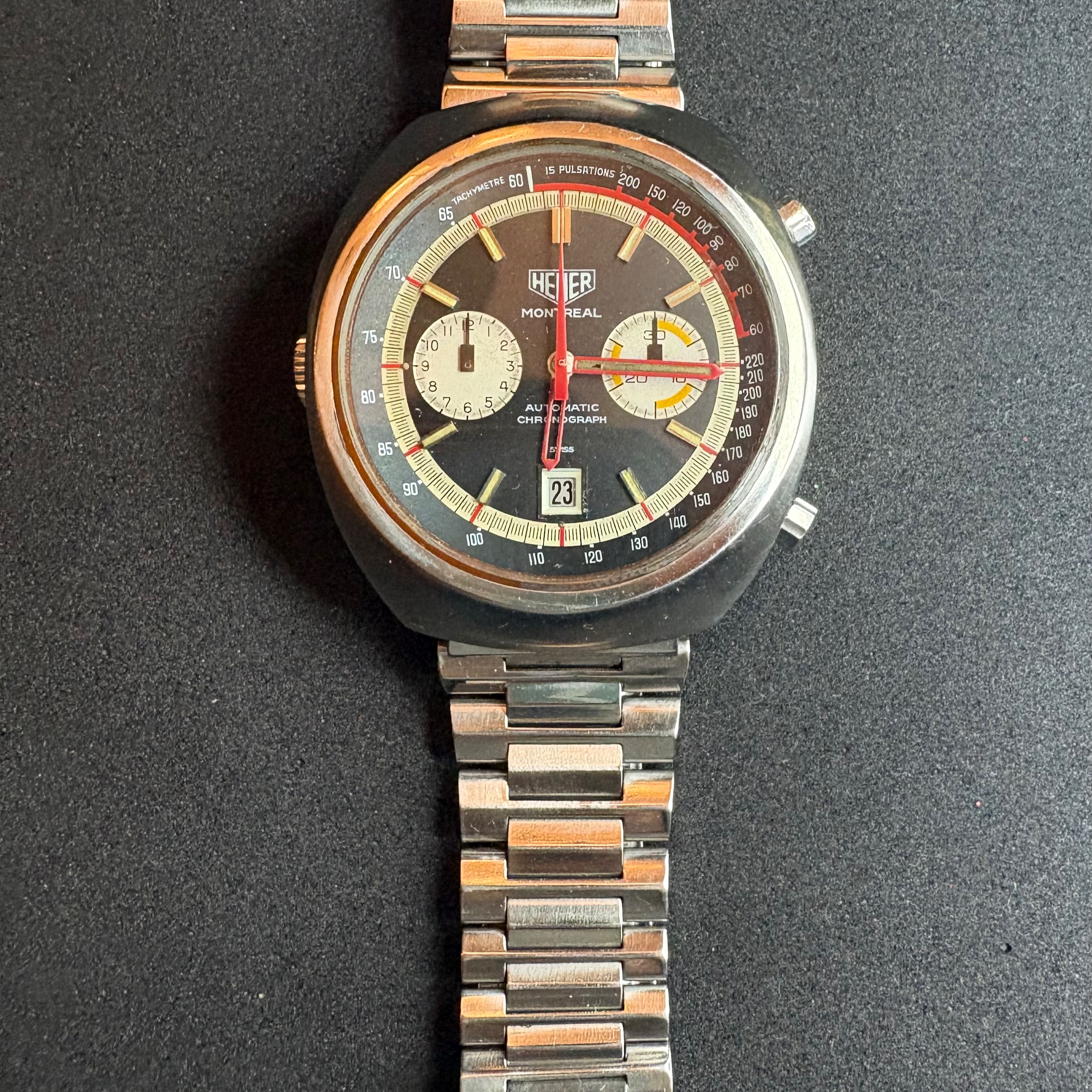
The number does not tell the whole story
Case diameter is a useful reference, but it does not fully describe how a watch looks or feels. Case shape, thickness, lugs and the visible dial area all affect its presence. Use dimensions to compare watches rather than treating one number as an absolute rule.
Ask about lug-to-lug length
Alongside diameter, ask for the case length from the tip of one lug to the opposite tip, known as lug-to-lug, and the thickness. Do not confuse this with lug width, which determines strap size. These measurements help you picture how much space the watch will occupy on your wrist.
Consider the strap and how you will wear it
A flexible strap and a bracelet feel different. Check their length, fit and comfort, especially if a bracelet has few links. Consider how you will wear the watch: under a sleeve, throughout a full day or just on particular occasions.
Compare with a watch you already know
Measure a watch you wear comfortably and use its dimensions as a starting point. A wrist photograph adds context, although the camera angle and distance can change the impression. If you can try the watch on, notice how the lugs sit and how it moves as you wear it.
The choice is personal
There is no universal size for every taste. Tell us which watch you wear today and what you would like to change: presence, thickness or comfort. That gives us a starting point to discuss the known dimensions of available watches.